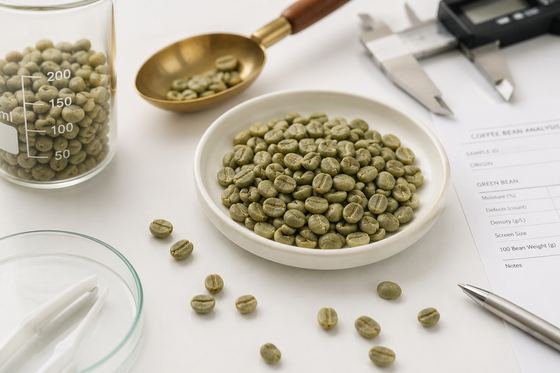
Ask any roaster where Indonesian coffee started, and the honest answer points to a single stretch of mountains in West Java: the Preanger highlands. This is where the Dutch first got Arabica to take root more than three centuries ago, and where a good part of Indonesia's specialty reputation was made. Understanding Java Preanger is the fastest way to understand what a West Java lot should taste like in the cup — and what to look for on the sample table.
At Nusa Prima Commodities, our flagship green is a West Java Arabika Fullwash, Grade 1, sourced out of this exact region. So before we talk about our lot specifically, it's worth laying out what "Java Preanger" actually means — the name, the history, the ground it grows on, and why it cups the way it does.
The nameWhere "Preanger" comes from
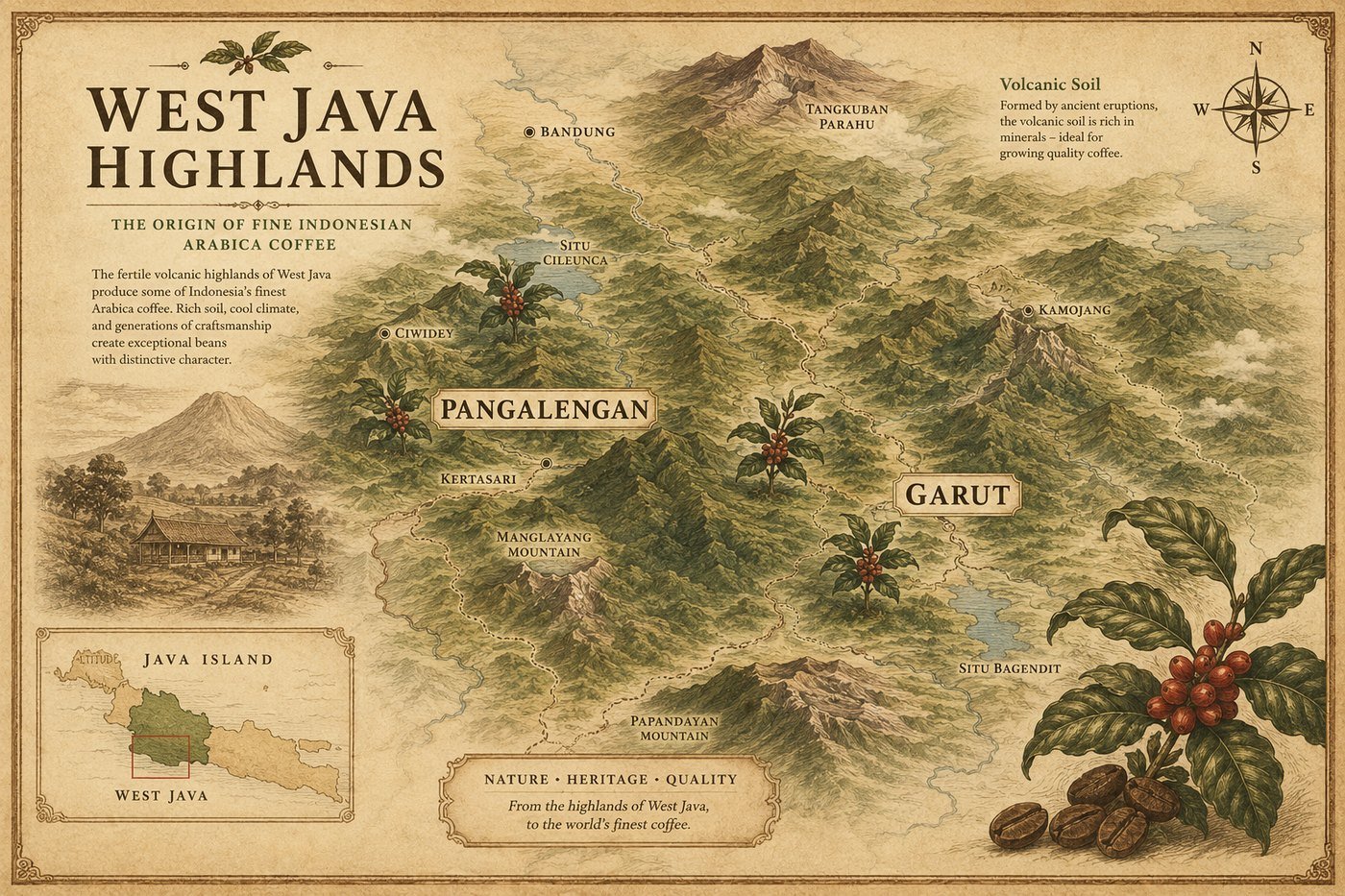
West Java is tanah Sunda — the land of the Sundanese — and its highland heart is called Priangan (or Parahyangan). "Preanger" is simply the old Dutch colonial spelling of that word, and it stuck to the coffee even after Indonesia's independence in 1945. So when a bag reads Java Preanger, it isn't a farm or a single estate — it's a regional name, the way "Yirgacheffe" or "Huila" is. The largest city in the region is Bandung, and most of the well-known sub-origins sit on the volcanoes ringing it.
The historyWhere Indonesian coffee began
The Dutch East India Company brought Coffea arabica to Java in the late 1600s, and the Priangan highlands became one of the very first places outside Arabia and Ethiopia where coffee was grown commercially. Early plantings failed — flooding wiped out one of the first attempts near the end of the century — but a second effort in the eastern Priangan around Garut and Cianjur took hold in the early 1700s and set off a trade that would define the island for generations.
That trade is the reason "Java" became shorthand for coffee itself. European merchants sold beans from the Dutch East Indies simply as Java coffee, and the name outlived the empire: a "cup of Java" is still slang for coffee, and even the programming language borrowed it.
It's an origin with a hard side, and we don't dress it up. For roughly a century and a half, coffee here was produced under the Preanger system — a regime of forced cultivation the Dutch imposed on Sundanese farmers. The specialty movement in West Java today, built on independent smallholders selling their own lots at their own quality, is in many ways a deliberate turn away from that history.
The terroirVolcanic, high, and slow
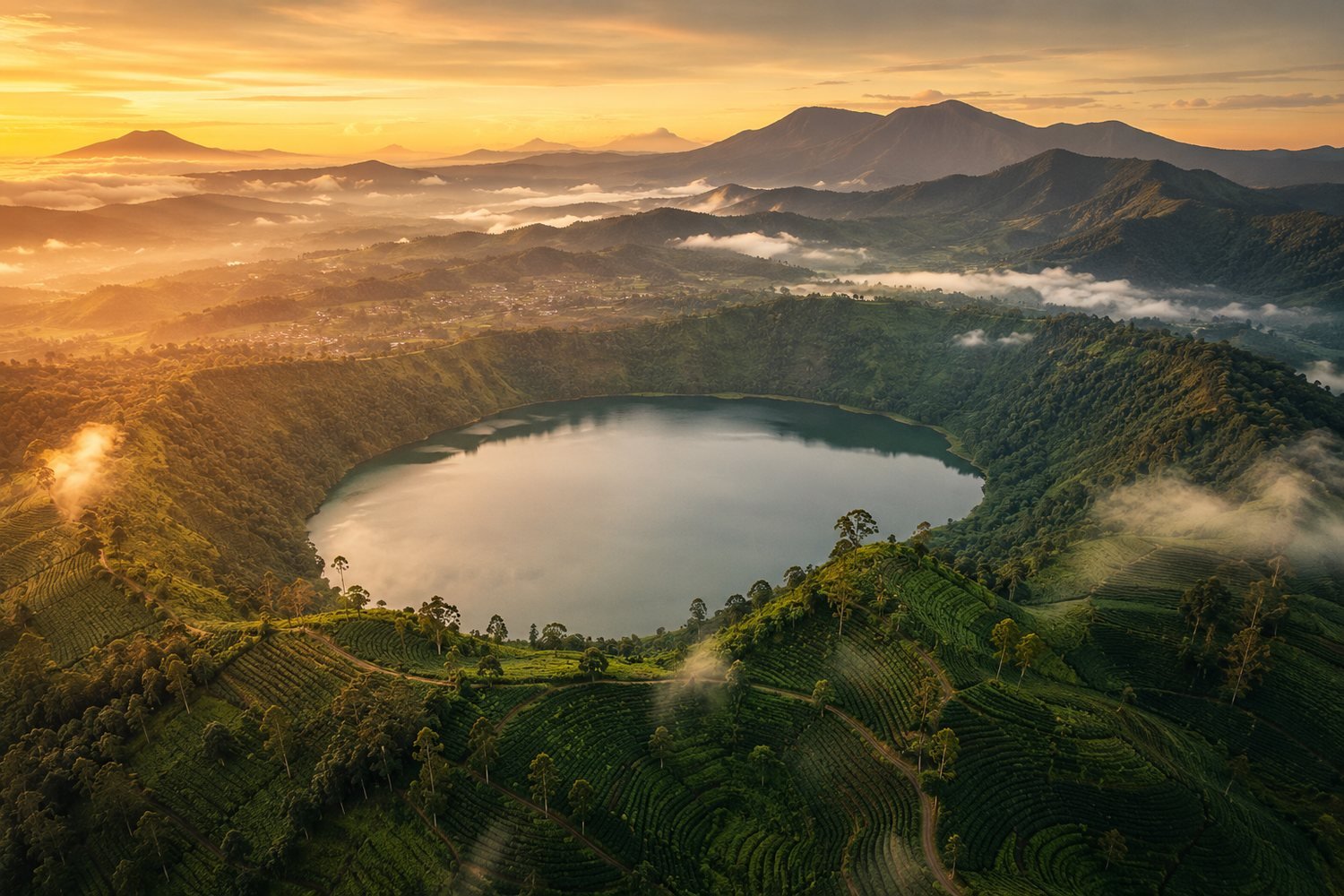
Nearly everything good about Java Preanger comes from the mountains it grows on. The coffee is planted on the slopes of stratovolcanoes around Bandung — Malabar, Puntang, Papandayan, Tilu, Halu and others — at altitudes that mostly run from 1,200 to 1,800 metres. That combination does specific work:
- Volcanic soil is mineral-rich and free-draining, which builds density and structure in the bean.
- Elevation and cloud cover keep temperatures cool, so cherries ripen slowly and develop more sugar and more layered acidity.
- Smallholder farming means the region is a patchwork of small plots and many varieties, rather than one estate profile — part of why West Java lots vary so much, and reward cupping before you commit.
The named sub-origins a roaster will recognise — Ciwidey, Pangalengan, Malabar, Puntang, Manglayang — are all pockets within this same highland region, each with its own microclimate and its own regulars among buyers.
The cupHow Java Preanger tastes
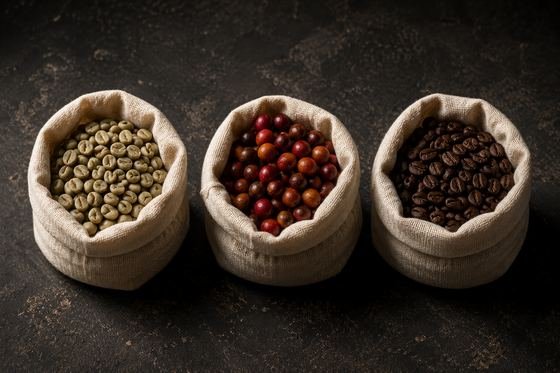
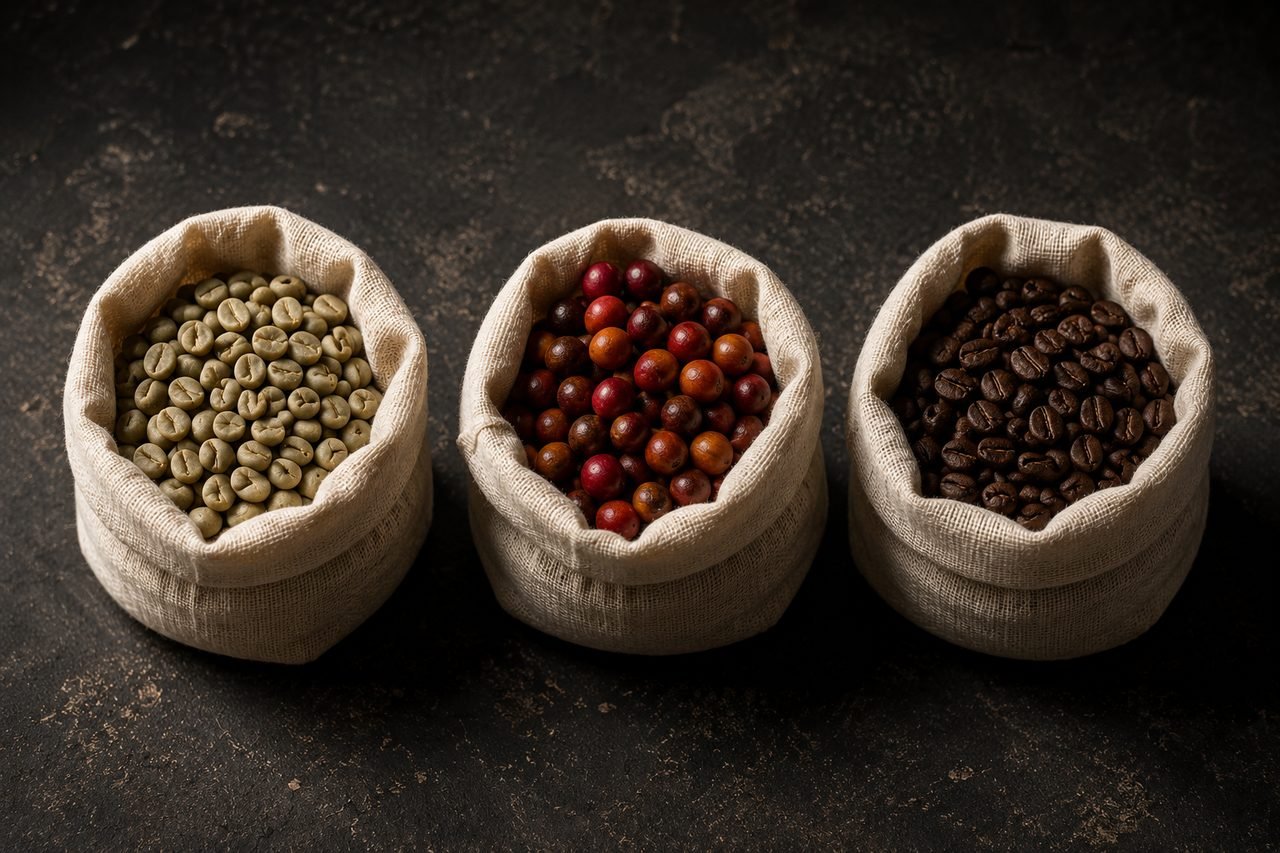
Here's where people get contradictory information, so it's worth being precise. You'll see Java Preanger described two different ways: bright and clean, with citrus, orange, almond and cocoa — and also deep and heavy, with dark chocolate, herbs and warm spice at low acidity. Both are correct. The difference is almost always how the coffee was processed, not where it grew.
Clean & bright
Cherry pulped and fermented off before drying. The cup that comes back is transparent — citrus, stone fruit, almond, a cocoa finish.
Our Grade 1Fruit-forward
Dried whole in the cherry. Heavier body, berry and wine-like sweetness, more intensity and more risk.
Rounded & sweet
Dried with some mucilage on the bean. Sits between the two — syrupy sweetness with cleaner definition than a natural.
Terroir sets the ceiling. Processing decides which cup you actually taste.
Our lotWhy we ship fullwash Grade 1
NPC's West Java Arabika is a fullwash, Grade 1 green — meaning it's fully washed for a clean, predictable profile, and screened to the tightest defect count Indonesian grading allows. We chose fullwash deliberately for buyers in Malaysia and Singapore: it's the profile that travels well, blends predictably, and gives a roaster a dependable base rather than a novelty. Expect a clean body, citrus and gentle stone fruit up top, and a cocoa-forward finish — the bright end of the Java Preanger range.
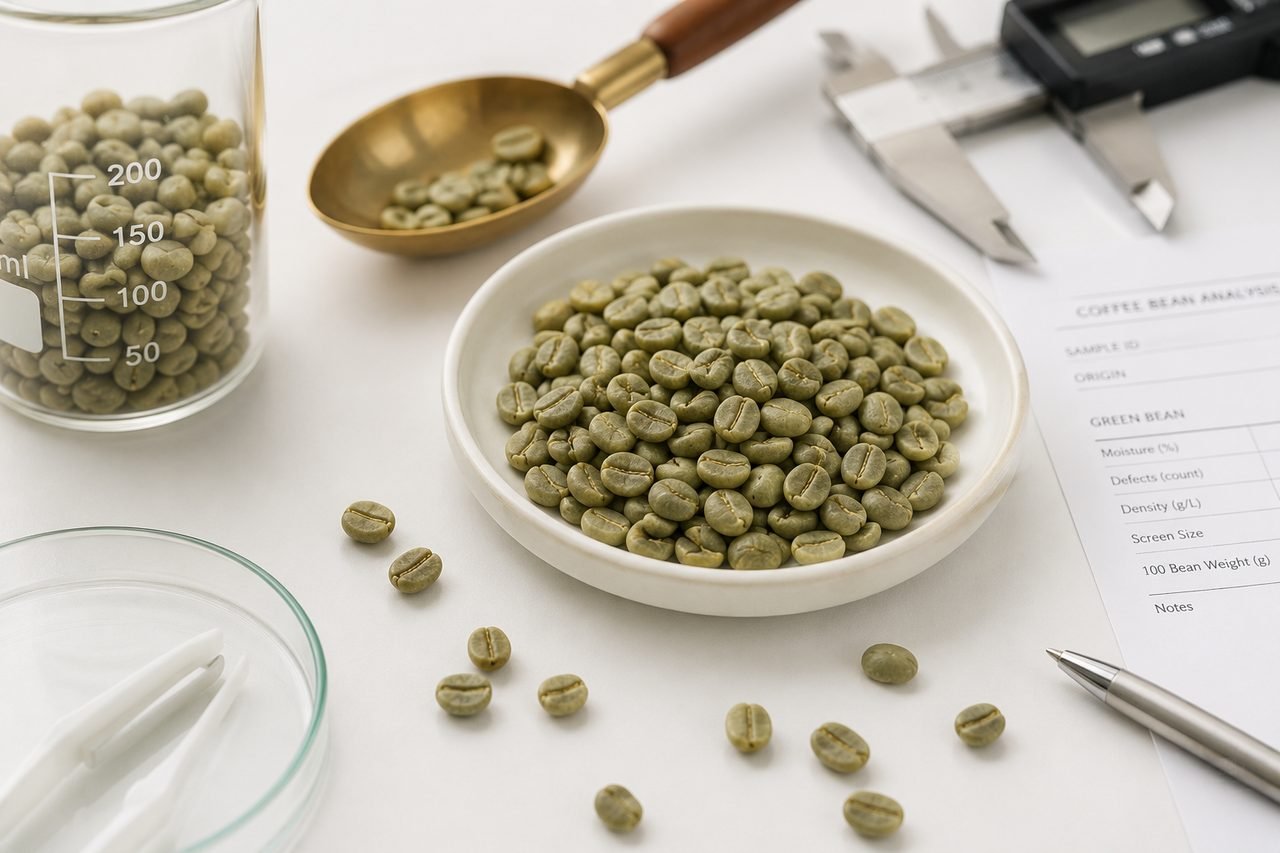
If you'd rather see it than read about it, that's the whole point of the next step. We'll ship a sample to your roastery, you cup it with your team against the Q Grader report, and you decide from there. We break down exactly how to read that quality report in an upcoming piece — How to read a coffee COA — and we'll go deep on the processing trade-offs in Fullwash vs Natural vs Semi-wash.